


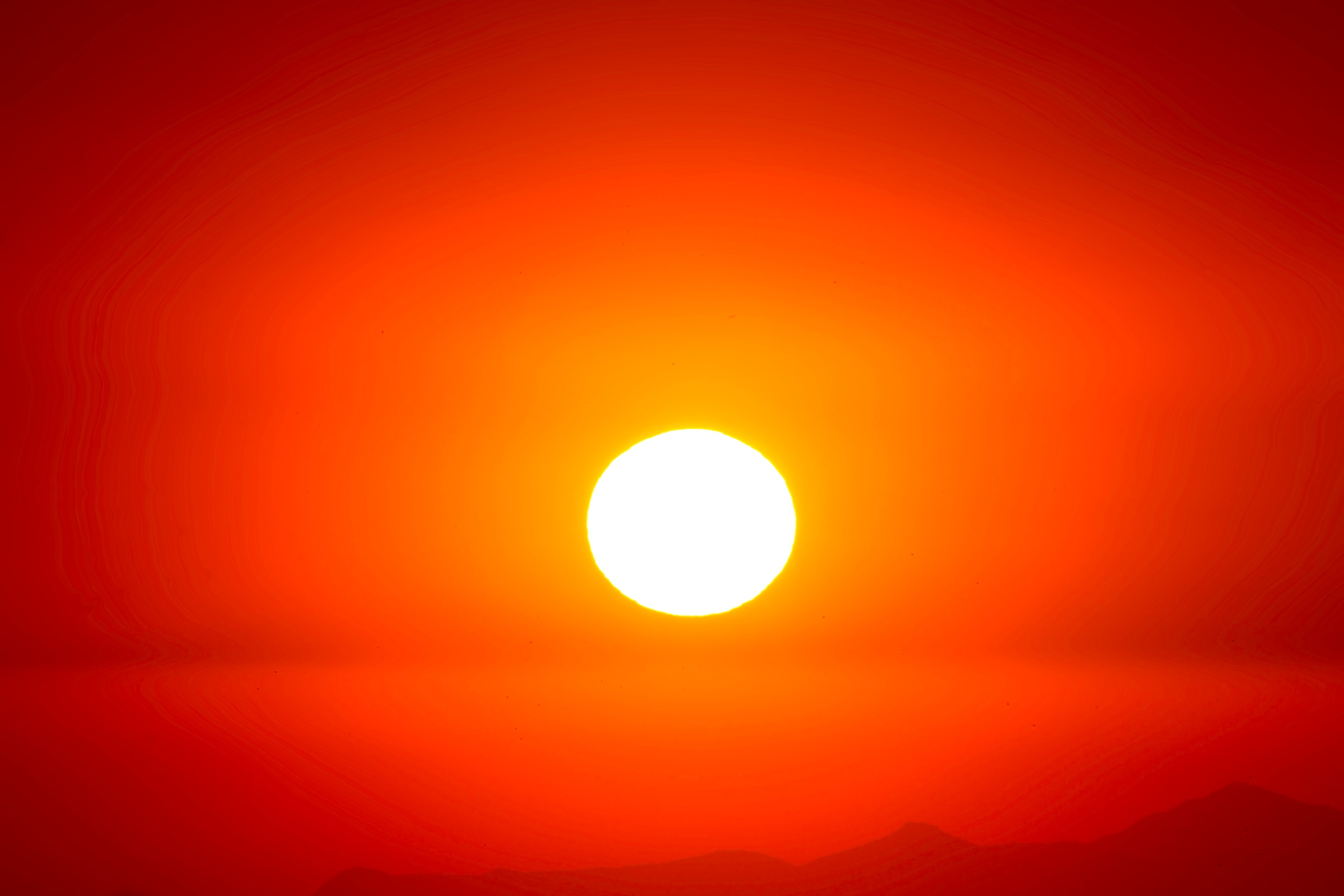
Photo by Luis Graterol on Unsplash
Summer in New York City is iconic. Picture movies like “Do the Right Thing,” “In the Heights,” or the beautiful children’s book “Tar Beach” about the author’s childhood in Harlem, escaping the heat on the family’s roof. While a New York summer is iconic, unfortunately, the combination of soaring temperatures and the urban environment can also create unique health risks. When a heat wave strikes, it’s important to protect yourself and vulnerable groups like children and the elderly from harm.
A heat wave is a period of abnormally hot and humid weather, typically lasting two or more days. Temperatures during a heat wave are often 90°F (32.2°C) or higher. In crowded areas like New York City, heat waves are particularly dangerous due to the Urban Heat Island (UHI) effect. Buildings, concrete, and asphalt absorb heat during the day and radiate it back into the environment at night, preventing the city from cooling down. This leaves residents, especially the elderly, young children, and those with health conditions at higher risk of heat-related illness.
Feeling sweaty? Water makes up about 70% of the human body and we sweat water to cool down, much like dogs pant to release heat. If we sweat in the heat and don’t drink enough liquid, we risk becoming dehydrated, losing more fluid than we drink through urination and sweating, and our body doesn’t have enough fluid to do its job. This is especially true during walking or exercise when we sweat more than usual. Some signs of dehydration are extreme thirst, weakness, tiredness, dizziness, nausea, less frequent urination, and dark urine (the color of apple juice).
Water is essential for health. Cells, body tissue, and organs all depend on water to function properly. One of the most effective ways to stay healthy in the heat is to hydrate. Make it a priority to drink 8 ounces of water every 20 minutes, rather than waiting until you feel thirsty. Take consistent, small sips throughout the day. Think of yourself as a human plant that needs to be watered all day long! Of course, the best drinks are those without sugar or artificial sugar, caffeine, and certainly no alcohol. Think plain water, water infused with fruit, bubbly water (plain, flavored, or with a splash of juice), or unsweetened or lightly sweetened decaffeinated iced tea (like hibiscus, lemon, ginger, berry, etc).
Stay healthy during a heat wave by making small changes to your habits. Whenever possible, do your errands, walking, and outdoor exercise during the cooler morning or evening hours, rather than between 10 a.m. and 4 p.m. when the sun is highest and the temperature is hottest. For example, it may be too hot for your normal lunchtime walk at 1p.m., but you may enjoy a stroll in your neighborhood after you eat dinner. Summer is a great time to use the gym if you’re a member or plan to do a home workout of any kind several days a week. For example, use your exercise bike, stepper, elliptical, or treadmill, follow a video for yoga/Pilates, dance, or strength train with your exercise bands or dumbbells.
In your home, use air conditioning and fans, and block the sun with curtains. When outdoors, wear lightweight, light-colored, loose-fitting clothing and use broad-spectrum sunscreen, no matter your skin color. Finally, monitor yourself and loved ones for heat-related symptoms like dizziness and cramping. If these occur, put a damp towel or paper towel on pulse points (neck, wrist, or back of the knees) to lower body temperature immediately. These could be signs of heat exhaustion and even heat stroke, a life-threatening condition where the body becomes overheated and organ failure can occur. If you see a loved one or stranger in trouble, call 911 for medical help.
Help your community and loved ones by sharing information from this article, and about public cooling centers and misting stations here: https://www.nycgovparks.org/about/health-and-safety-guide/cool-it-nyc. Check on vulnerable neighbors, especially the elderly, and encourage your loved ones to make the small changes described in the article. Drink up and have an active, healthy summer!
Carlos Tejeda is a community health specialist with the office of community and population health at Montefiore Einstein.

admin
Welcome to the Norwood News, a bi-weekly community newspaper that primarily serves the northwest Bronx communities of Norwood, Bedford Park, Fordham and University Heights. Through our Breaking Bronx blog, we focus on news and information for those neighborhoods, but aim to cover as much Bronx-related news as possible. Founded in 1988 by Mosholu Preservation Corporation, a not-for-profit affiliate of Montefiore Medical Center, the Norwood News began as a monthly and grew to a bi-weekly in 1994. In September 2003 the paper expanded to cover University Heights and now covers all the neighborhoods of Community District 7. The Norwood News exists to foster communication among citizens and organizations and to be a tool for neighborhood development efforts. The Norwood News runs the Bronx Youth Journalism Heard, a journalism training program for Bronx high school students. As you navigate this website, please let us know if you discover any glitches or if you have any suggestions. We’d love to hear from you. You can send e-mails to norwoodnews@norwoodnews.org or call us anytime (718) 324-4998.