




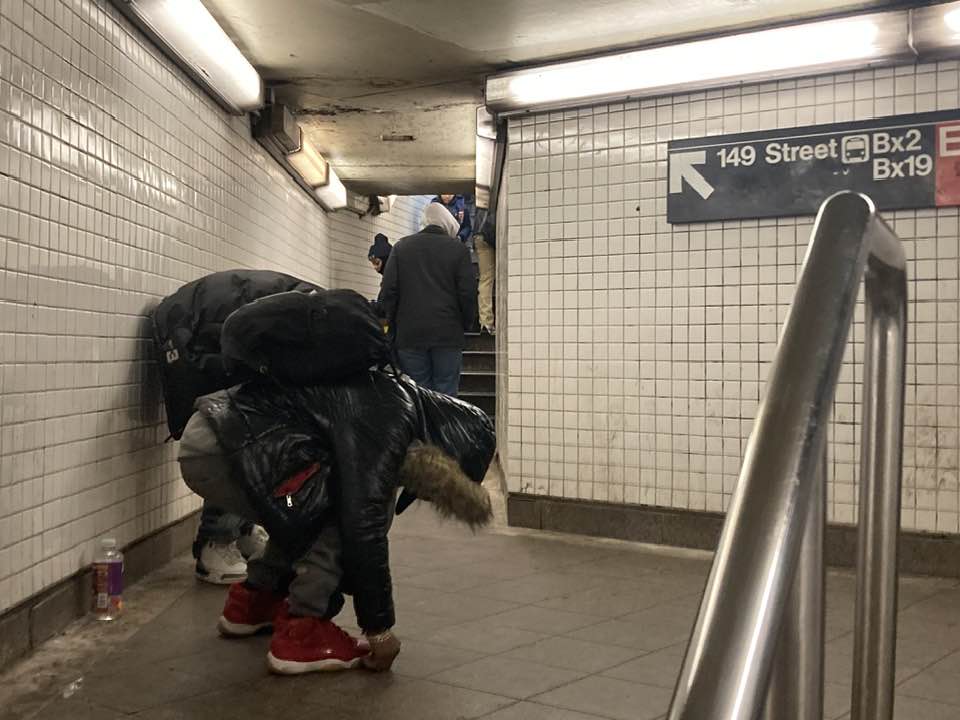
Photo by Síle Moloney
NYC Health Commissioner Dr. Alister Martin denounced Friday, May 15, news that the federal government is limiting access to treatment for opioid use.
“The federal government is shifting away from evidence-based treatment and towards deadly, abstinence-based approaches in addressing the country’s overdose epidemic, rolling back years of life-saving progress,” she said. “New recommendations against long-term medication for opioid use disorder and removal of a national provider database are just the latest attempts to gut resources and put up barriers to life-saving treatment.”
Martin said the news comes on the back of a recent announcement of cuts of nearly two-thirds to substance abuse and mental health services administration staff and a proposed $753 million cut to the agency, $165 million in cuts to addiction research at the National Institute for Health (NIH), and $3 billion in cuts to the U.S. Centers for Disease Control & Prevention (CDC), including funds to track overdoses and provide overdose reversal medications.
Martin said after finally seeing a decrease in overdose deaths, the referenced federal changes now threaten that progress. She said measures taken in recent years to increase access to harm reduction tools like naloxone, and to medication and treatment like Buprenorphine, while prioritizing the communities that have been hardest hit by substance abuse had been hard-won.
“As an ER doctor, I’ve witnessed the impacts firsthand, as patients stopped coming to the ER in the midst of an overdose, and started their journey to recovery,” she said. “These federal actions disrupt that progress, eliminating resources proven to prevent overdoses. We can’t afford another step back from treatment that works to, instead, experiment with people’s lives.”
The news comes as the federal government’s own agency, the U.S. Drug Enforcement Administration (DEA), announced on May 12, that the U.S. continues to face an unprecedented and evolving drug threat driven by illicit fentanyl, which they said is increasingly being mixed with “a dangerous array of synthetic substances emerging in the illicit drug market.” They said the combinations are making an already deadly drug supply even more unpredictable and lethal.
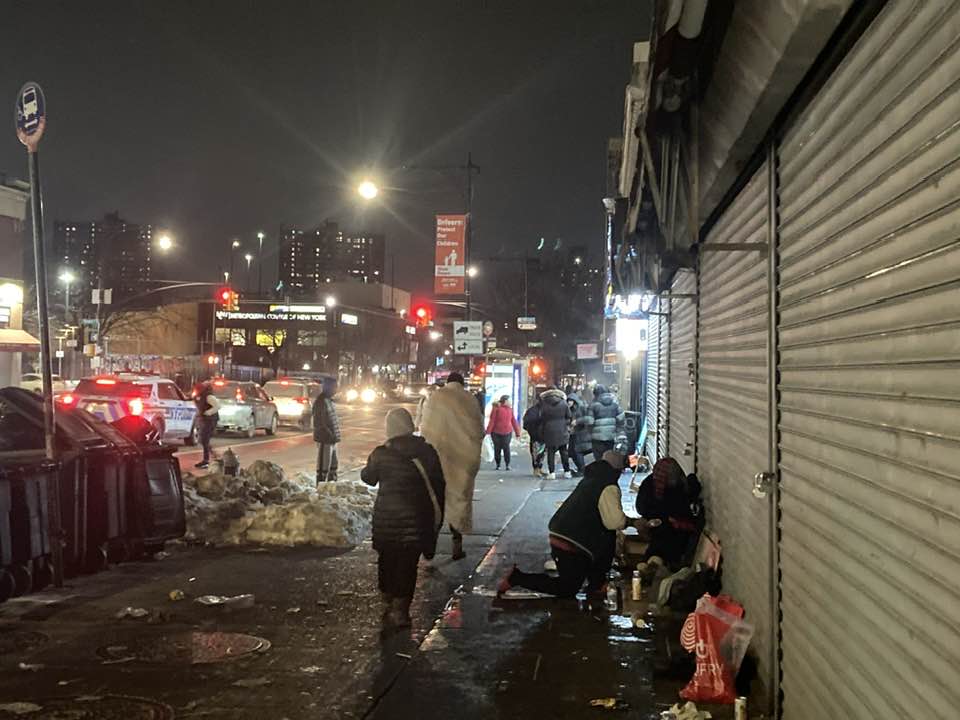
Photo by Síle Moloney
“Law enforcement and public health officials are seeing fentanyl combined with highly potent substances such as xylazine, nitazenes, cychlorphine, and medetomidine,” DEA officials said. “Many of these substances are not approved for human use and are often undetectable to the user.”
They said xylazine and medetomidine are used by veterinarians to sedate animals, and nitazenes and cychlorphine are potent, unregulated, synthetic opioids. “DEA has reported 22 unique nitazenes compounds since 2020,” 21 of which are listed as Schedule 1 controlled substances,” they added.
Schedule I controlled substances are drugs, substances, or chemicals defined by the DEA as having a high potential for abuse. DEA officials said these emerging synthetic drugs can be significantly more powerful than fentanyl and greatly increase the risk of a fatal overdose. “These substances are frequently mixed into counterfeit pills or fentanyl powder without the user’s knowledge,” they added.
They also highlighted that drugs like xylazine and medetomidine are not opioids, meaning naloxone, a drug used to often successfully reverse the effects of an opioid overdose, may not work on these drugs. They said other synthetics, such as nitazenes and cychlorphine, might require several doses of naloxone to be effective. They added that xylazine has been linked to devastating soft tissue damage, infections, and prolonged sedation, while other synthetics can cause rapid respiratory depression and death.
Health officials advise people never to take a pill that isn’t prescribed and dispensed by a licensed pharmacy, assume all illicit drugs may contain fentanyl or other deadly additives, carry naloxone and be trained in how to use it, but understand it may not fully reverse all substances present.
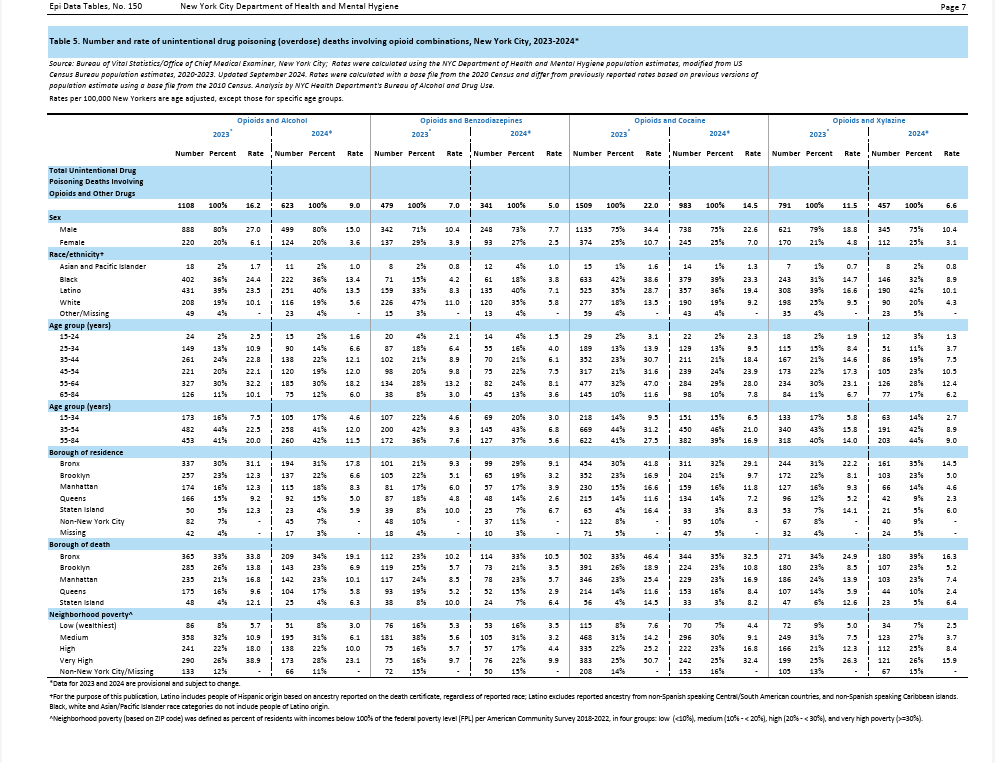
Source: NYC Department of Health & Mental Hygiene
They also advise people to call 911 immediately in any suspected drug poisoning or overdose scenario, as time is critical, and to stay informed and spread awareness. “The threat is evolving rapidly,” they said. For more information, visit DEA.gov/fentanyl free and DEA.gov/onepill.
Meanwhile, Martin said that in New York City, patients are helped navigate options for treatment and health officials work closely with state partners to connect people to additional care. She said City’s health department remains committed to expanding low-barrier access to lifesaving medications like buprenorphine and methadone, alongside “stigma-free programs” that keep people alive and engaged in care during their recovery. Martin said anyone looking to access substance use services in NYC can call or text 988.
Last October, Norwood News had reported on the expansion of the Bronx Heroin Overdose Prevention and Education (HOPE) initiative, launched in 2019, through a then-new mobile health clinic funded by State Sen. Gustavo Rivera (S.D. 33) at a cost of $100,000.
The existing Bronx Heroin Overdose Prevention and Education (HOPE) initiative launched by Bronx Community Services (BCS) emerged following discussions between the Bronx District Attorney’s Office, the NYPD, and Bronx Community Solutions. Read more here: Hope on Wheels – Norwood News.
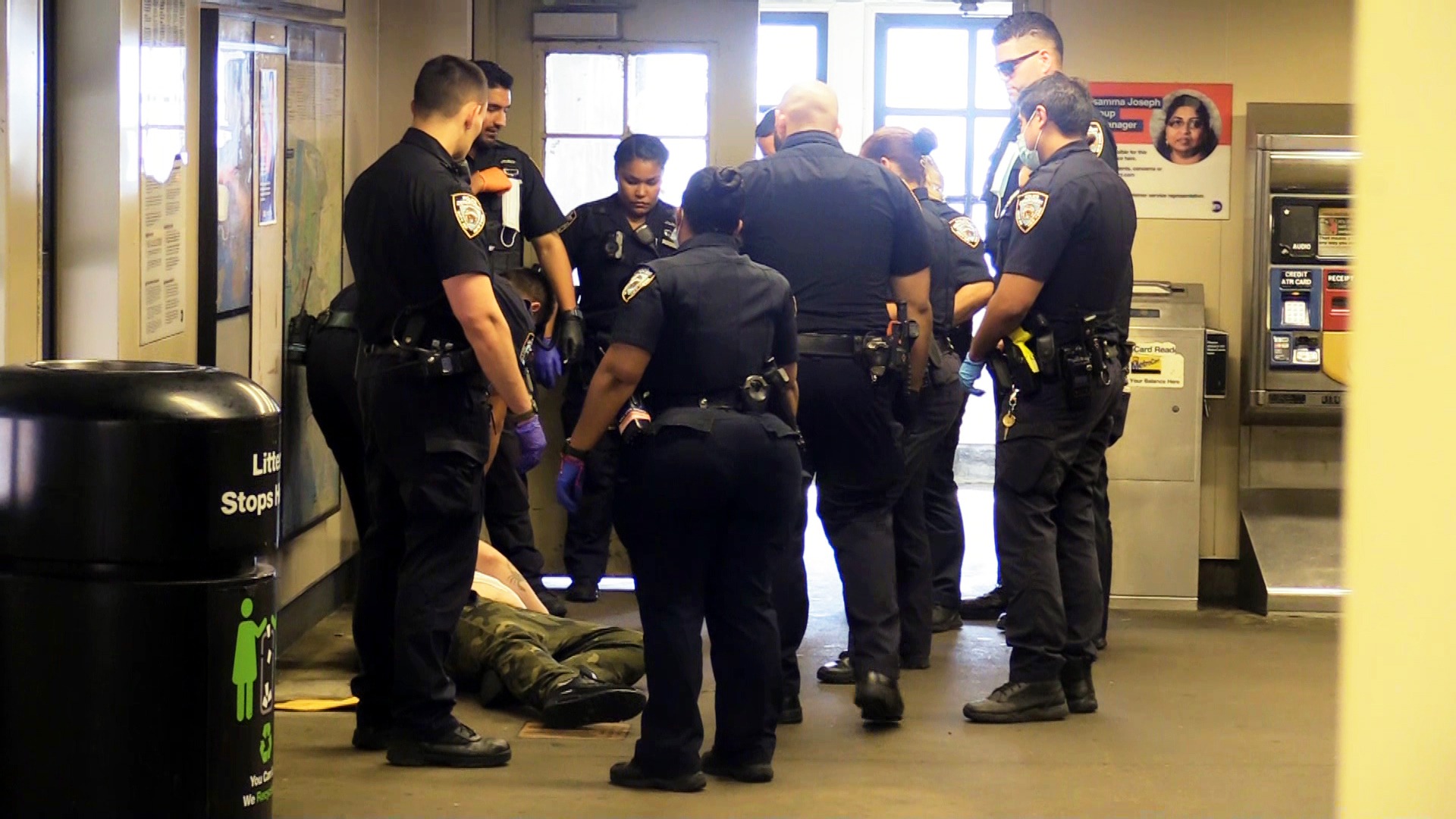
Photo by David Greene
Following the discovery of the body of a woman in Walter Gladwin Park in the Tremont section of the Bronx in February 2024, Norwood News had questioned if it would prompt the opening of more Overdose Prevention Centers (OPCs) in the North Bronx?
In August 2022, Norwood News reported how the City government announced new measures to reduce overdoses as rates of 75.3 percent were recorded in Hunts and Mott Haven. In 2020, we reported on how substance use treatment programs were in danger even as more overdose deaths were recorded in The Bronx than in any other county. In 2019, as reported, the 52nd Precinct led the City in overdose deaths.
Read a recent op-ed on youth overdose prevention here.
Read some of our other coverage of this topic here, here, here, here, here, here, here, here, here, here, here, here and here.
For more information about treatment options in New York, visit oasas.ny.gov/treatment.

admin
Welcome to the Norwood News, a bi-weekly community newspaper that primarily serves the northwest Bronx communities of Norwood, Bedford Park, Fordham and University Heights. Through our Breaking Bronx blog, we focus on news and information for those neighborhoods, but aim to cover as much Bronx-related news as possible. Founded in 1988 by Mosholu Preservation Corporation, a not-for-profit affiliate of Montefiore Medical Center, the Norwood News began as a monthly and grew to a bi-weekly in 1994. In September 2003 the paper expanded to cover University Heights and now covers all the neighborhoods of Community District 7. The Norwood News exists to foster communication among citizens and organizations and to be a tool for neighborhood development efforts. The Norwood News runs the Bronx Youth Journalism Heard, a journalism training program for Bronx high school students. As you navigate this website, please let us know if you discover any glitches or if you have any suggestions. We’d love to hear from you. You can send e-mails to norwoodnews@norwoodnews.org or call us anytime (718) 324-4998.