



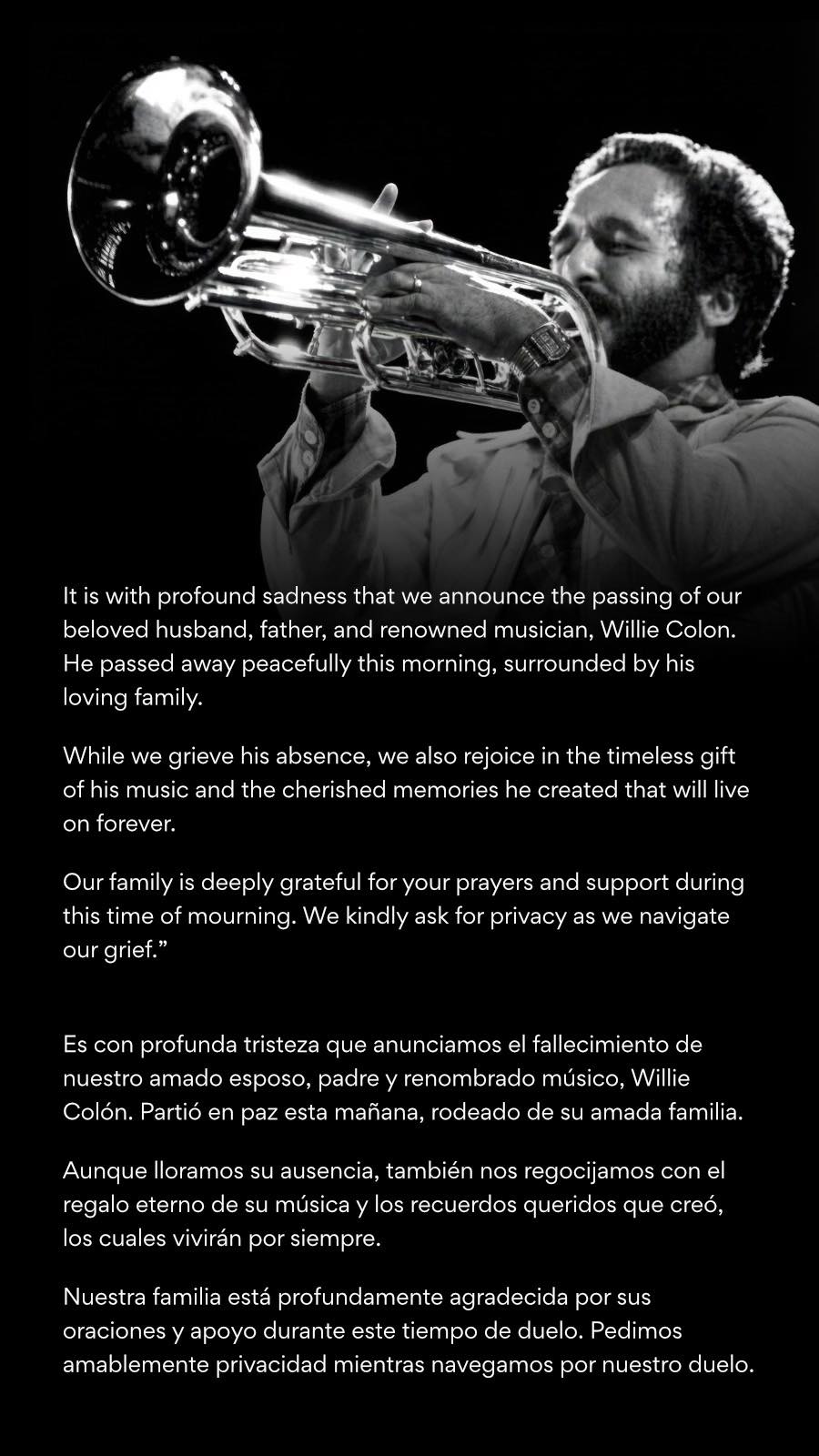
Photo courtesy of the family of Willie Colón via social media
Musicians, elected officials, and regular Bronxites, many from the Bronx Puerto Rican community, have been paying tribute to musician, salsa legend, producer, 10-time GRAMMY nominee, and Bronx native, Willie Colón, following his death, age 75, on Saturday, Feb. 21, reportedly at New York Presbyterian Hospital in Westchester County.
William Anthony Colón Román was born in the South Bronx on April 28, 1950 to Puerto Rican parents, and according to the Recording Academy of the United States, received his tenth GRAMMY nomination for Best Tropical Latin Performance for his 1995 album, “Tras La Tormenta,” [After the Storm] at the 38th Annual Grammy Awards in 1996.
According to Wikipedia, Colón began his career as a trombonist but also sang, wrote, produced and acted. According to encyclopedia.com and allmusic.com, Colón was a pioneer of salsa music and a best-selling artist in the genre, having been a key figure in the nascent New York City scene associated with Faria Records. He was also a social activist, and according to reporting by The New York Times, he even ran unsuccessfully for Congress at one point.
An extract from the announcement by Colón’s family of his death on social media, published in both English and Spanish, read, “It is with profound sadness that we announce the passing of our beloved husband, father, and renowned musician, Willie Colón. He passed away peacefully this morning, surrounded by his loving family.”
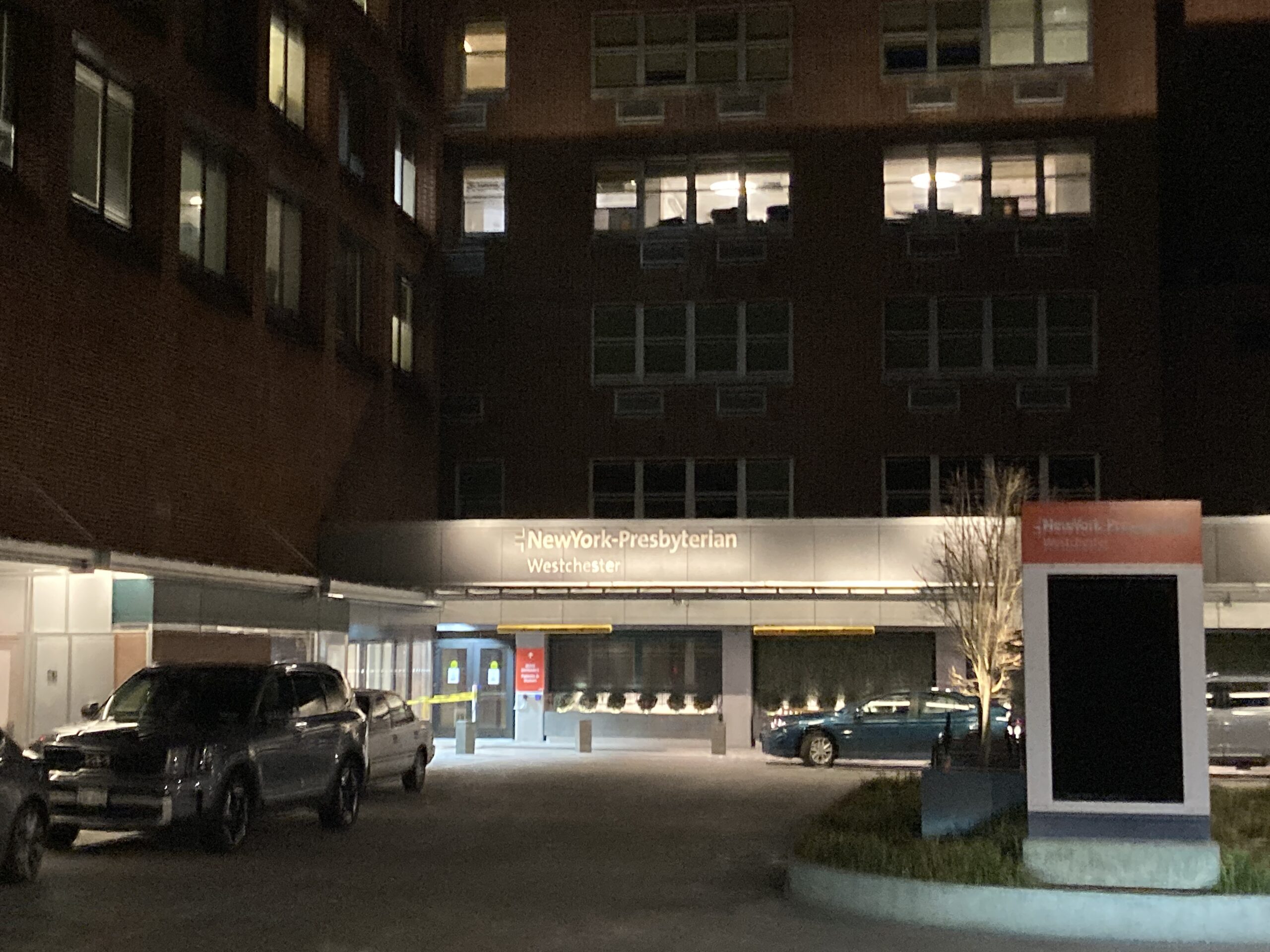
Photo by Síle Moloney
It continued, “While we grieve his absence, we also rejoice in the timeless gift of his music and the cherished memories he created that will live on forever. Our family is deeply grateful for your prayers and support during this time of mourning. We kindly ask for privacy as we navigate our grief.”
Tributes started to circulate online throughout Saturday, with Grammy-nominated and fellow Bronx musician, Bobby Sanabria, writing simply, “REST IN POWER” in response to the news of Colón’s death. Indeed, many of the artists who have performed at The Bronx’s Lehman Center for the Performing Arts and at other Bronx venues highlight in their biographies that they played with Colón over the course of their careers, including the late legendary salsa musician and Fania Records co-founder, Johnny Pacheco, known as the “Godfather of Salsa,” who died Feb. 15, 2021, at the age of 85.
Meanwhile, New York Attorney General Letitia James said of the late musical icon, “From his music, to his time serving his communities, Willie Colón was a Bronx legend, and his legacy will live on. My thoughts are with his family and loved ones. May he rest in peace.”
THE SCENE OUTSIDE New York Presbyterian Hospital in Westchester County in Bronxville, NY on Saturday night, Feb. 21, 2026, where salsa legend Willie Colón reportedly died earlier the same day. Video by Síle Moloney
Colón’s Bronx Walk of Fame biography reads, “Willie Colón is a renowned Puerto Rican musician, composer, and bandleader known for his significant contributions to salsa music. Colón has played a pivotal role in shaping salsa music throughout his career. Colón’s musical journey began at a young age when he started playing the trumpet and singing in local bands. His music fused elements of Afro-Cuban rhythms, jazz, and rock, creating a unique sound that captured an international audience.”
It continues, “Colón’s collaborations with Héctor Lavoe were influential. Together, they released a series of classic albums, including “Cosa Nuestra” (1970) and “Comedia” (1978). Their partnership produced numerous hits that have become classics, such as “Che Che Colé,” “El Dia De Mi Suerte” and “El Cantante.” Colón also addressed important social issues of inequality through his music. He produced one of his most impactful albums with Ruben Blades, “Siembra” exploring themes of life, poverty, morality, and the struggle for survival.”
It concludes, “Siembra” is considered to be the best selling salsa album in the history of salsa music. Another masterpiece was, “Según el Color,” this song sparked conversations about identity, social class, perception, and race. His talent and commitment to social issues through his music have made him an influential figure in the industry and a true icon of salsa music.”
THE SOUND OF Latin (though not salsa) music is heard at an upstairs venue on East Gun Hill Road on Saturday night, Feb. 21, 2026, as Hispanic Bronxites celebrate the birthday of an 18-year-old girl on the same day that salsa legend Willie Colón dies. Video by Síle Moloney
Meanwhile, Alex J. Parrilla, a retired deputy warden with the NYPD, said that he, along with Colón, received a leadership award on the same day to mark a celebration of Hispanic Heritage Month in 2018. In Spanish, Parrilla wrote on social media, “Rest in peace Maestro Willie Colón, a SALSA icon and favorite. I had the pleasure of meeting El Maestro [the Master] through my supervisor at the time, his son, William Colón, retired warden NYC Department of Correction, and good friend.”
He added, “El Maestro was a class act, such a down to earth gentleman, thank you for your legacy. My condolences to his other son, [who] I had the privilege of working with Correction Officer Alejandro Miguel Colón, Evelyn A. Mirabel, and the entire Colón family during this difficult time. May ‘El Maestro’ Rest in Eternal Peace.”
There was no sign of fans outside the hospital on Saturday evening, and hospital representatives declined to comment as to whether Colón had been a patient or whether his remains were still on site.
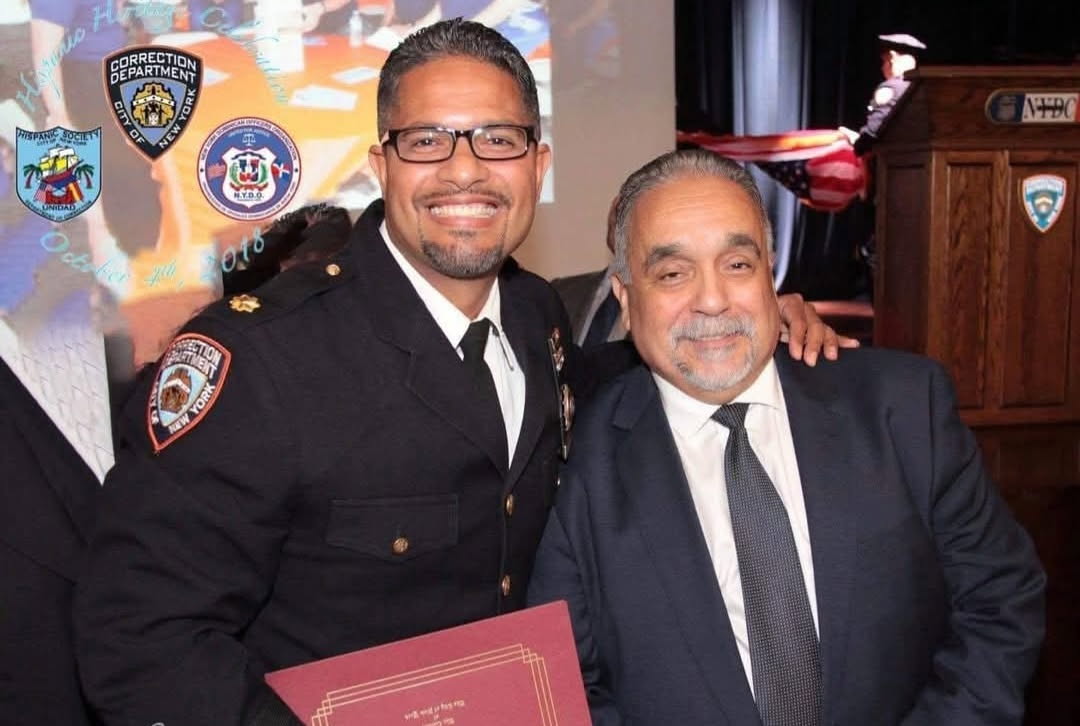
Photo courtesy of Alex J. Parrilla
Later on Saturday night in the Norwood section of The Bronx, Latin (though not all salsa) music was heard streaming from an upstairs venue on East Gun Hill Road where a birthday party for an 18-year-old girl was being celebrated. Asked for her reaction to news of Colón’s death and his legacy in the Hispanic community, speaking in Spanish, one guest at the party, Viviana, said she was not actually familiar with Colón.
Meanwhile, when asked if Colón was well known throughout Latin America, a Mexican male attendee, estimated to be in his late thirties who declined to be identified, said, also in Spanish, that he had been. He added, “I first got to hear about him when when I was maybe around 16. The truth is he holds very special recognition among people. We respect him.. well, those who knew him…more than anything he had a great sound on his trombone. He knew how to play well and we respect him.”
Funeral details for Colón are yet to be announced.
Songwriters: William Anthony Colón and Leonardo Correa
Cuando yo muera no quiero que lloren
No quiero ver que ninguno derrame ni una sola lágrima por mí
Tampoco quiero que me lleven flores
Ni que me entierren leyendo papeles
Escribiendo cartas que quizás ni entienda
Cuando yo muera quiero recorrer
Todo lugar donde yace mi cuerpo
Que ahora sin vida todos quieren ver
Nadie quería cuando estaba enfermo
Que ahora sin vida todos quieren ver
Nadie quería cuando estaba enfermo
¿Para qué las flores, para qué me lloran?, si voy a estar muerto
¿Pa qué compañía?, si voy a estar solo allá en el cementerio
¡Ay!, ¿pa qué compañía?, si voy a estar solo allá en el cementerio
No me vayan a llorar
No me vayan a llorar
Nada ganan con llorar
Después que todo está ya consumado
Comenzarán a hablar de mi pasado, de lo bueno que era
Y con el tiempo se irán olvidando
Regresarán otra vez con los años pa poder ver lo que del cuerpo queda
Y volverán a llorar otra vez
Y mis cenizas se las lleva el viento
Y sin consuelo estará mi mujer
Si es que no tiene un nuevo compañero
Y sin consuelo estará mi mujer
Si es que no tiene un nuevo compañero
¿Para qué las flores, para qué me lloran?, si voy a estar muerto
¿Pa qué compañía?, si voy a estar solo allá en el cementerio
¡Ay!, ¿pa qué compañía?, si voy a estar solo allá en el cementerio
No me vayan a llorar
No me vayan a llorar
No me vayan a llorar
Nada ganan con llorar
En el año 2008
Te juro que no creo en nadie
Hay tantos que están y no son
Y muchos que son y no están, ¡compadre!
No me vayan a llorar
No me vayan a llorar
No me vayan a llorar
Nada ganan con llorar
Que se acerca el ministro
Pa darme con su presencia
Y en el bolsillo me pone un cheque
Me dice, hermano, aclare la cuenta
No me vayan a llorar
No me vayan a llorar
No me vayan a llorar
Nada ganan con llorar
Eh, llegaron de todos lados
A ver si, por fin, era cierto
Vino Mercado, Blades, Marc Anthony
Santa Rosa y Van Lester, tú ve
Eh, con esa cara de “yo no fui”, echa p’allá (no me vayan a llorar)
Eh, tú, “llanto de cocodrilo”, no vengas más (nada ganas con llorar)
Si fuiste malo conmigo, ya tú verás (no me vayan a llorar)
Más allá de la tumba te vo’a buscar (nada ganas con llorar)
¡Ay!, no te guilles, no te guilles
Que tú siempre fuiste una gallina (no me vayan a llorar)
A mi velorio, tú no vengas a guapear (nada ganar con llorar)
¡Toma!
No me vayan a llorar
No me vayan a llorar
No me vayan a llorar
Eh, yo fui tu Sansón Batalla
Danzan en la muralla, a ti el miedo te desmaya
Yo nunca fui rinquincalla, antes tirar la toalla
Quiero que sepas, no me venga a llorar
Cuando yo me vaya
When I Die
(Rough English Translation via Google Translate)
Songwriters: William Anthony Colón and Leonardo Correa
“When I die, I don’t want anyone to cry.
I don’t want to see anyone shed a single tear for me.
Nor do I want them to bring me flowers.
Or bury me reading papers, writing letters I might not even understand.
When I die, I want to visit
Every place where my body lies, places that now, lifeless, everyone wants to see.
No one wanted to see me when I was sick.
Why the flowers, why the tears? If I’m going to be dead
What’s the point of company? If I’m going to be alone there in the cemetery
Oh!, what’s the point of company? If I’m going to be alone there in the cemetery
Don’t cry for me
Don’t cry for me
Don’t cry for me
You gain nothing by crying
In 2008, I swear I don’t believe in anyone
There are so many who are there but aren’t
And many who are there but aren’t, buddy!
Don’t cry for me
Don’t cry for me
Don’t cry for me
You gain nothing by crying
The minister is coming
To impress me with his presence
And he puts a check in my pocket
He tells me, brother, settle the account
Don’t cry for me
Don’t cry for me
Don’t cry for me
You gain nothing by crying
Hey, they came from everywhere
To see if, finally, it was true
Mercado, Blades, Marc Anthony came
Santa Rosa and Van Lester, you see
Hey, with that “it wasn’t me” face, get out of here (don’t cry for me)
Hey, you, “crocodile cry,” don’t come back (you gain nothing by crying)
If you were bad to me, you’ll see (don’t cry for me)
Beyond the grave I’ll look for you (you gain nothing by crying)
Oh!, don’t get cocky, don’t get cocky
Because you were always a chicken (don’t cry for me (cry)
Don’t come to my wake trying to be tough (you’ll gain nothing by crying)
Take this!
Don’t cry for me
Don’t cry for me
Don’t cry for me
Hey, I was your Samson Battle
They dance on the wall, fear makes you faint
I was never one to back down, I’d rather throw in the towel
I want you to know, don’t come crying to me
When I’m gone”
*David Greene contributed to this story.

admin
Welcome to the Norwood News, a bi-weekly community newspaper that primarily serves the northwest Bronx communities of Norwood, Bedford Park, Fordham and University Heights. Through our Breaking Bronx blog, we focus on news and information for those neighborhoods, but aim to cover as much Bronx-related news as possible. Founded in 1988 by Mosholu Preservation Corporation, a not-for-profit affiliate of Montefiore Medical Center, the Norwood News began as a monthly and grew to a bi-weekly in 1994. In September 2003 the paper expanded to cover University Heights and now covers all the neighborhoods of Community District 7. The Norwood News exists to foster communication among citizens and organizations and to be a tool for neighborhood development efforts. The Norwood News runs the Bronx Youth Journalism Heard, a journalism training program for Bronx high school students. As you navigate this website, please let us know if you discover any glitches or if you have any suggestions. We’d love to hear from you. You can send e-mails to norwoodnews@norwoodnews.org or call us anytime (718) 324-4998.