



Photo by David Greene
This week, given Norwood and Parkchester are home to large Bengali communities, we asked residents for their thoughts on the life and recent death of Bangladesh’s first female prime minister, Khaleda Zia, who, according to various sources cited by Wikipedia, served from 1991-1996, and from 2001-2006. Zia died on Dec. 30, 2025, at the age of 80.
After entering politics following the assassination, in 1981, of her husband, Ziaur Rahman, himself, a former president of Bangladesh and army commander, Zia became chairperson, in 1984, of the Bangladesh National Party (BNP), a party her husband had founded and she played a leading role in the country’s pro-democracy movement.
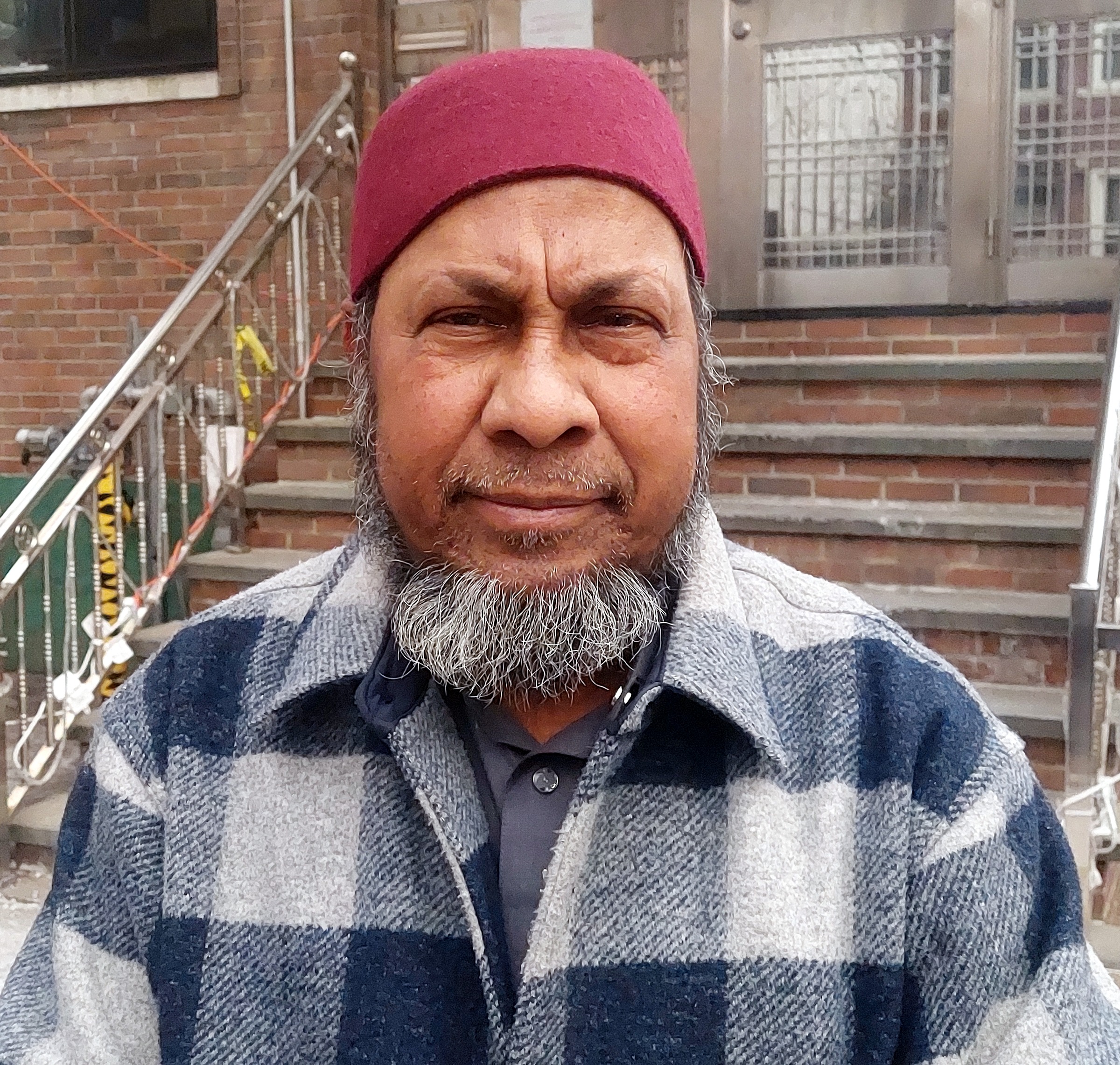
“My thoughts? Because I was with the opposition party, I may say something that’s not good. She was prime minister for two full terms, and [during] one [timeframe], she served about 15 days when she had to resign. [Editor’s Note: According to Wikipedia, the BNP formed a short-lived government after a controversial February 1996 election, which was boycotted by the opposition.] She was a two-time prime minister who has died.
Whatever she did for Bangladesh was good. She is dead now, so if she made any mistakes or anything, we forgive her and give her heaven; that’s what I wish for her. Also, 165 million Bangladeshis mourn her. She was the first female prime minister in Bangladesh, and her husband was a freedom fighter; he was a good man. More than a quarter of Bangladeshi people loved her, but many in the opposition party didn’t like her because of politics.”
Mohmmed Hussain,
Norwood
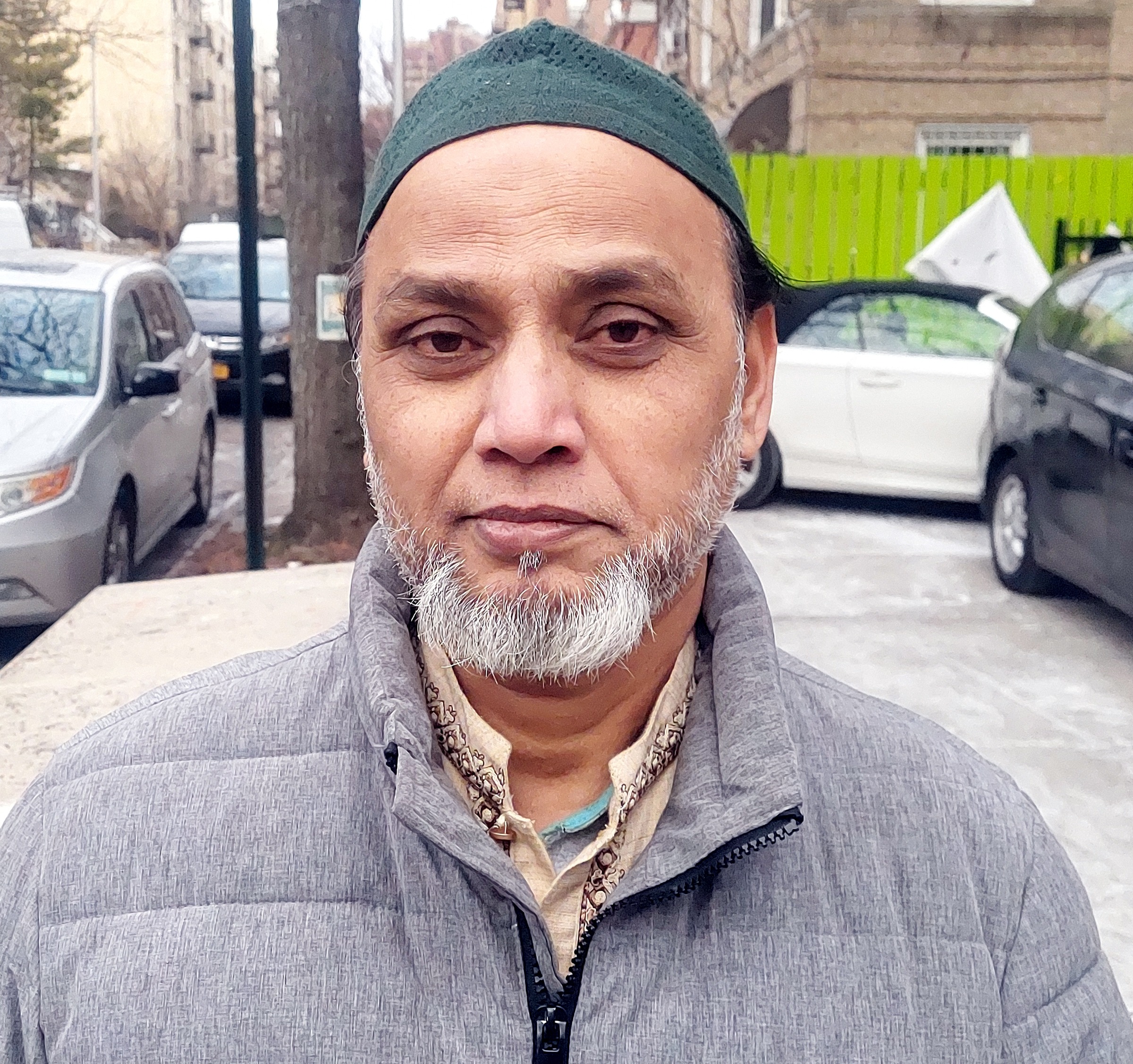
Photo by David Greene
“She did many good things for Bangladesh. I can’t say anything bad about her. She did things like allowing free education for young children; she did that.”
Shabul Alam,
Norwood

Photo by David Greene
“She was the first female prime minister in our country. She was a three-term prime minister in Bangladesh, and her husband was also the president of our country [Editor’s Note: Her husband served from 1977-1981]. [She served] two terms I believe and those were the best times in Bangladesh, and she spent a few years in jail after her last government when they put her in jail, but that was a mistake because the case against her was not true, I believe.
Syed Islam,
Norwood
[Editor’s Note: According to various sources, Zia was acquitted in several cases involving accusations of defamation and misappropriation.] Her son, right now, has gone back to Bangladesh where he’s the BNP chairman right now, and they are a good family, and she was a good person who we won’t forget. Our country is in mourning. Her funeral had the largest gathering.”
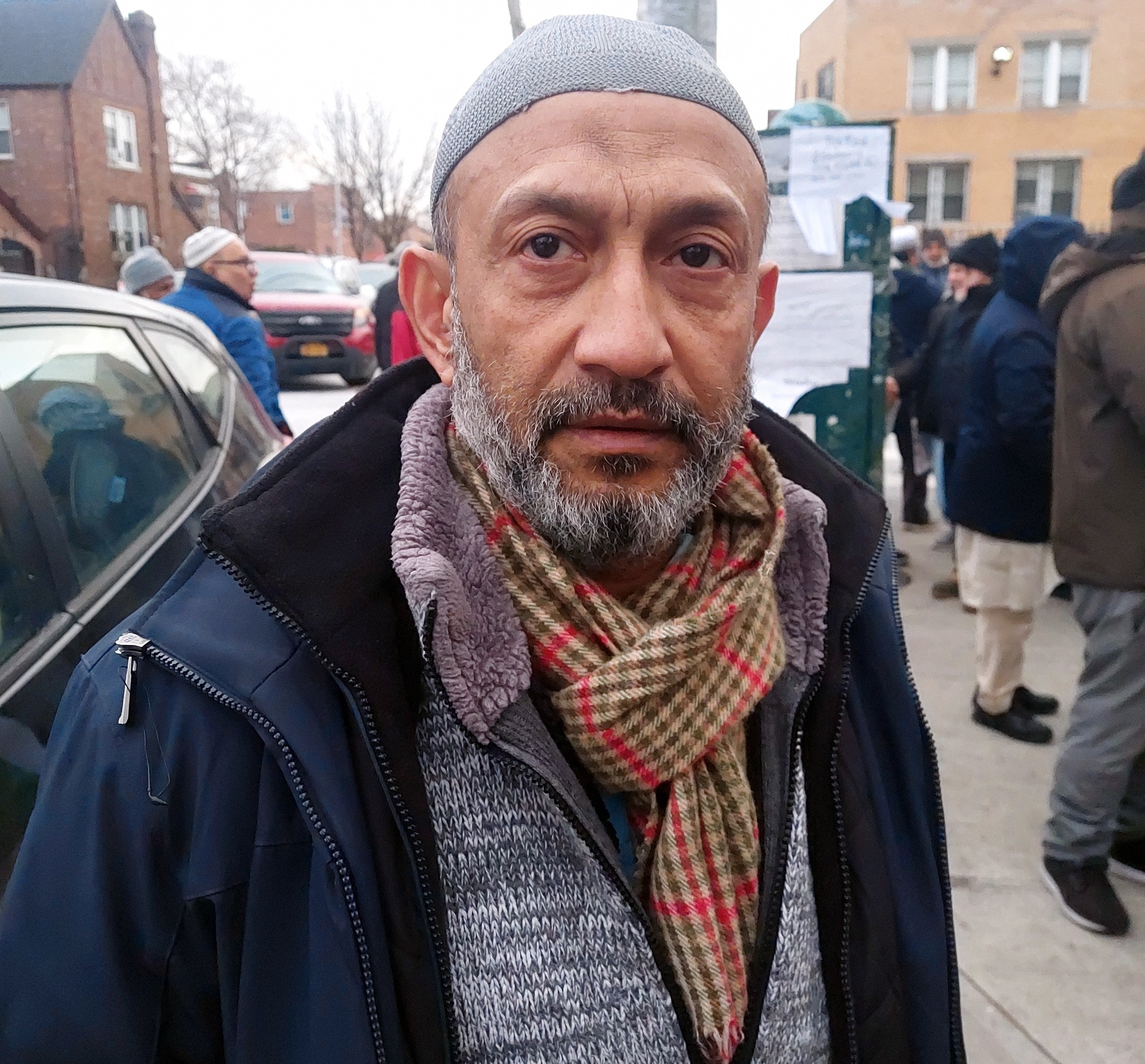
Photo by David Greene
“She did good for the country; she helped a lot of people. She helped all of us and did good things for our country. She provided free education for children and everyone in the Bangladeshi community loved her because she was honest. She worked for democracy. Everybody is very, very sad. There are many parties in Bangladesh, but everyone loved her because she was honest and she did a lot of good for our country. Everybody loved her.”
Kamal Uddin,
Queens, N.Y. visiting Parkchester
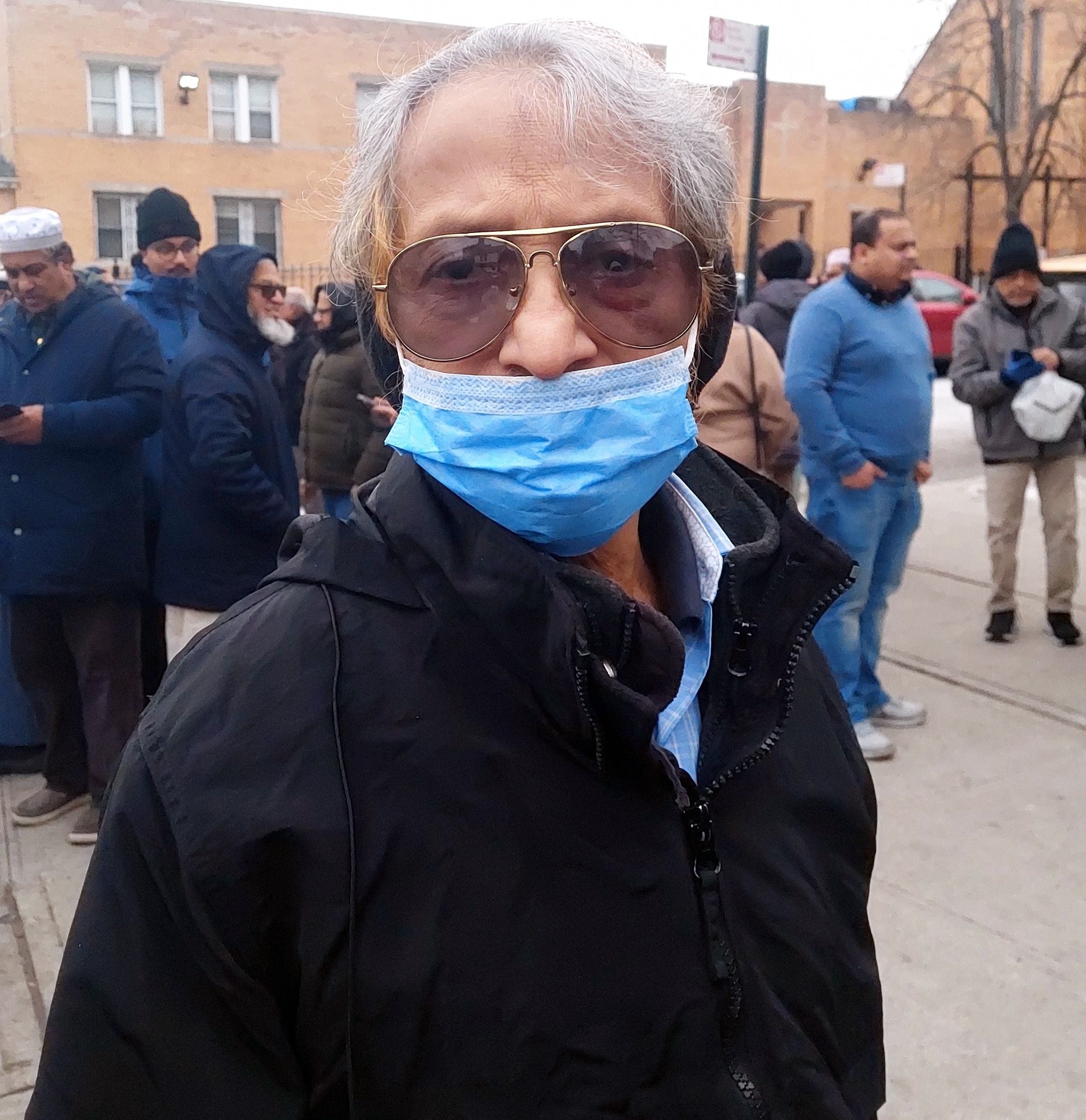
Photo by David Greene
“She was excellent! She fought for democracy for our country and did so many things for our country.”
Sai Ful,
Manhattan, N.Y. visiting Parkchester
Editor’s Note: The role of Ziaur Rahman, Zia’s husband, after the 15 August 1975 assassination of Sheikh Mujibur Rahman and his family remains controversial according to The Daily Star (Bangladesh). The Indemnity Act, an ordinance ordered by Khondaker Mostaq Ahmad in 1975 pardoning the subsequently convicted killers of Sheikh Mujibur Rahman, was not abolished by Rahman during his tenure as president. Some killers of Sheikh Mujibur Rahman and his family were sent abroad during his time as president.

admin
Welcome to the Norwood News, a bi-weekly community newspaper that primarily serves the northwest Bronx communities of Norwood, Bedford Park, Fordham and University Heights. Through our Breaking Bronx blog, we focus on news and information for those neighborhoods, but aim to cover as much Bronx-related news as possible. Founded in 1988 by Mosholu Preservation Corporation, a not-for-profit affiliate of Montefiore Medical Center, the Norwood News began as a monthly and grew to a bi-weekly in 1994. In September 2003 the paper expanded to cover University Heights and now covers all the neighborhoods of Community District 7. The Norwood News exists to foster communication among citizens and organizations and to be a tool for neighborhood development efforts. The Norwood News runs the Bronx Youth Journalism Heard, a journalism training program for Bronx high school students. As you navigate this website, please let us know if you discover any glitches or if you have any suggestions. We’d love to hear from you. You can send e-mails to norwoodnews@norwoodnews.org or call us anytime (718) 324-4998.